Canon's Diary

Action without thought is empty; thought without action is blind – Goethe

While living with schizophrenia, I move between Tokyo and Osaka. Through this journal, I hope to quietly share moments from my daily life—and memories from the journey I’ve taken with my illness.

  • Every week is much the same. After working full days from Monday through Friday, I am completely worn out by Friday evening, and by the time I make it home, I collapse into a kind of quiet exhaustion. Yesterday was no different. I didn’t feel like cooking, so I bought a breaded egg cutlet bento from the supermarket. After dinner, I had a small glass of Scotch and watched television absentmindedly. I had been curious about the situation in the Middle East, but there was no news coverage, and nothing else caught my interest. Before long, I turned off the TV and took a hot shower.

    Letting the hot water run from my head down the back of my neck, I felt as though some unseen impurities within me were being gently washed away. I splashed water over my face, rinsing off the cypress pollen clinging stubbornly to my eyelids. After stepping out of the bathroom, I dried myself carefully and tidied my hair with a dryer. Then I returned to the dimly lit living room and swallowed the medicine my doctor had prescribed with a glass of cold water. It was all part of a routine by now. Once finished, sleep came naturally—I brushed my teeth and drifted off without resistance.

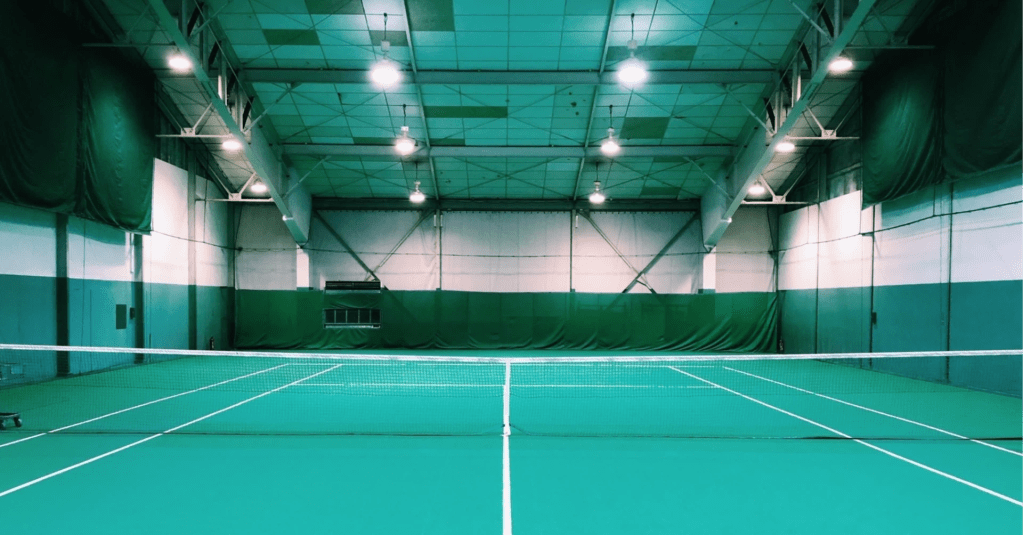
    On Saturday mornings, a lingering heaviness often remains even after waking. I tend to stay in bed longer than I should, trying to recover from the week’s fatigue. I had a tennis lesson scheduled for eleven, but I wasn’t in the mood. While eating a simple breakfast of ham and lettuce on toast with onion soup, I pressed the cancel button on my phone.

    I set the washing machine running and began cleaning the room. Dusting the furniture, sweeping the floor with a broom and dustpan, I cleared away the small accumulations of the week. It’s a small room, so it doesn’t take long. When I opened the window and hung out the laundry, warm sunlight poured in, revealing the quiet streets of Tonda. It was the last Saturday of March. The forecast said it would be sunny all day, with temperatures rising to twenty-two degrees. In Tokyo, the cherry blossoms were already in full bloom; in Osaka, they were expected to reach their peak by next weekend.

    It has been nearly a year since I was transferred from Tokyo to Osaka to live alone. Last year’s cherry blossom season, I spent in Tokyo. Being able to show my father—who passed away the following May—the blossoms one last time has remained a quiet comfort in my heart. Well then, I thought, I have the time today. Perhaps I’ll go and see the cherry blossoms. I found myself thinking this as I ate my usual bowl of cabbage soba for lunch.

    In the corner of my room sit two aging digital cameras. One is a Canon EOS Kiss X4 I bought in Hamamatsu in 2010; the other is a Sony α NEX-5, inherited from my father. With the rise of smartphones, fewer people carry such bulky cameras these days. Yet the thrill of peering through a viewfinder, the tactile motions of zooming and focusing, the sound of the shutter, the solid weight in the hand—these are pleasures a phone cannot replace. The battery still had some life in it. I decided I would continue to take good care of these cameras, including the one my father left me.

    The Japanese have a deep affection for cherry blossoms. During the brief time each year when they bloom in full, people gather in parks as if they have been waiting all along, simply to gaze at them. Famous spots like Maruyama Park in Kyoto, with its weeping cherry tree in Gion, or Ueno Park in Tokyo, draw large crowds. Until last year, I would visit the cherry trees along the Onda River near my family home in Naruse every spring. It is a beautiful place as well. But in truth, cherry blossoms can be found everywhere in Japan. In spring, one needs only to walk a short distance to encounter them. For the Japanese, they mark the passage of time—another year lived, another season returned. This year, too, we are able to see them. And so people look upon the blossoms with quiet gratitude.

    I slipped the EOS Kiss X4 gently into my backpack, got on my electric-assist bicycle, and headed to Tsutsuiike Park, about five minutes from my apartment.

    There was no longer any need for a heavy coat; the warm breeze felt pleasant against my skin. Soft sunlight lit the road, and the faces of passing people seemed calm, almost softened. Having come through the long winter, everyone appeared to welcome the arrival of spring. Tsutsuiike Park is a small, ordinary park, but it was lively with families. Along the embankment by a small stream, cherry trees had been planted, and people had spread out cloths beneath them, gathering in quiet celebration.

    The blossoms were perhaps half in bloom. And yet, the cherry blossoms in Tokyo and those in Osaka wore the same expression. Their pale pink petals seemed to look back at me, gently telling me that a new season had arrived.

    After returning home, I sent the photos I had taken to my mother in Tokyo via LINE. She had gone to see a nearby weeping cherry tree the week before. Lately, she has been complaining about her knees and how she cannot walk long distances. “Take it easy, and enjoy what you can,” I wrote back. Since moving to Osaka, my exchanges with my mother and sister have increased. Strangely enough, it feels as though we speak more now than when we lived together in Tokyo. Only recently have I come to understand that there are conversations that can exist precisely because of distance.

    As evening approached, I began preparing dinner. Today, I made pork and beans—sautéing onions, pork, and carrots before adding tomato sauce and letting it simmer. I seasoned it with consommé and garlic. In the rice cooker, I prepared a mixed rice with broccoli, corn, and sausage. I added a Karatsu hamburger steak, ordered through a hometown tax program, with a side of lettuce. It turned into quite a generous meal. With plenty of leftovers from both the rice and the pork and beans, I knew I would be able to enjoy these flavors for a while.

    As I recalled the cherry blossoms, still a little short of full bloom, I felt that I, too, could take my time—slowly settling into this season.

  • It was a clear and pleasant day.
    With each passing day, the air had been growing warmer, though a light coat still felt necessary when stepping outside.

    I woke in the morning and checked my phone.
    Eight hours and six minutes of sleep—uninterrupted, deep, and quietly restorative.

    After brushing my teeth and washing my face, I took a sip of carbonated water to moisten my throat, then began preparing breakfast.
    I boiled water in the kettle and, in a single frying pan, cooked fried rice and a sunny-side-up egg at the same time.
    These morning routines now flowed almost without thought, a sign that living alone had finally settled into my body.

    As I ate, I watched the morning news.
    The situation in Iran remained unpredictable.
    The Revolutionary Guard continued to enforce the blockade of the Strait of Hormuz, and oil prices stayed high.
    Relentless airstrikes by the United States and Israel were reported, while Iran, though increasingly weakened, continued to resist.

    President Trump had called on NATO and Asian nations to dispatch naval forces for escort operations in the Strait.
    Amid such tensions, Prime Minister Takaichi was set to attend a Japan–U.S. summit.
    Even as a key ally, Japan could hardly commit its Self-Defense Forces to a war said to violate international law.
    What, I wondered, would be discussed there?

    In Japan, gasoline prices had reached 169 yen per liter.
    The war in Iran was beginning to cast its shadow over everyday life.
    And yet, I could not help but feel that I was still treating it as something distant—
    as if it belonged to another world.
    That realization, in itself, felt faintly irresponsible.

    After breakfast, I turned to the paperwork related to the recent renovation of the house in Naruse.
    With the support of a Tokyo metropolitan subsidy, we had installed a solar power system this February.
    Much of the coordination with the contractor in Osaka had to be done remotely, which was not without its difficulties.
    Still, the electricity costs at my family home in Tokyo should now decrease significantly, and in time, it may even generate income through surplus power sales.

    Although most of the project was covered by subsidies, there is a waiting period before the funds are disbursed.
    Until then, I have to endure the gradual decrease of my own savings.

    Once the administrative work was done, I tidied up the room and finished the laundry.
    Then, somewhat hurriedly, I packed my belongings—
    a DSLR camera, a tennis racket, and my MacBook Pro.

    Today, I was heading back to my family home in Tokyo, where I had plans to see my mother and my nieces.
    The younger of the two had finally finished her entrance exams and had been accepted into Waseda University.
    Both sisters would now attend the same university.
    It may sound a bit self-indulgent, but I couldn’t help feeling that the Kazane family had not done too poorly after all.

    Stepping outside, I was met with a gentle warmth in the air.
    In Tokyo, the cherry blossoms had officially been declared in bloom, though the ones nearby still seemed mostly in bud.
    Spring was close—almost within reach.

    With a heavy bag slung over my shoulder, I swayed gently on the train bound for Kyoto Station,
    letting my thoughts drift toward the conversations I would soon have—
    with family, with old friends in Tokyo.

  • It was a quiet morning. I had drawn the curtains tightly, so the room was dim and utterly still. Worn out from work, I wanted to give my body a proper rest, so I closed my eyes once more beneath the covers and took a deep breath. I could hear almost nothing—only, faintly, the sound of a Hankyu train passing by, as if it were running somewhere farther away than usual. About thirty minutes later, I looked at my phone. My sleep time was six hours and fifty minutes. Well, that’s about right. Come to think of it, the weather forecast on television yesterday had said it might snow today. From experience, I knew that when snow accumulates, sounds lose their echo and the world grows quieter. Could it be… I got out of bed and opened the curtains. Before me spread the streets of Tonda, blanketed in white, with large flakes of snow drifting down.

    The room, surprisingly, was not all that cold, but it was too chilly to stay barefoot, so I quickly pulled on thick socks and turned on the heater. I brushed my teeth and shaved. Since I had run out of lettuce, I settled for bacon and eggs and a bowl of miso soup for breakfast.

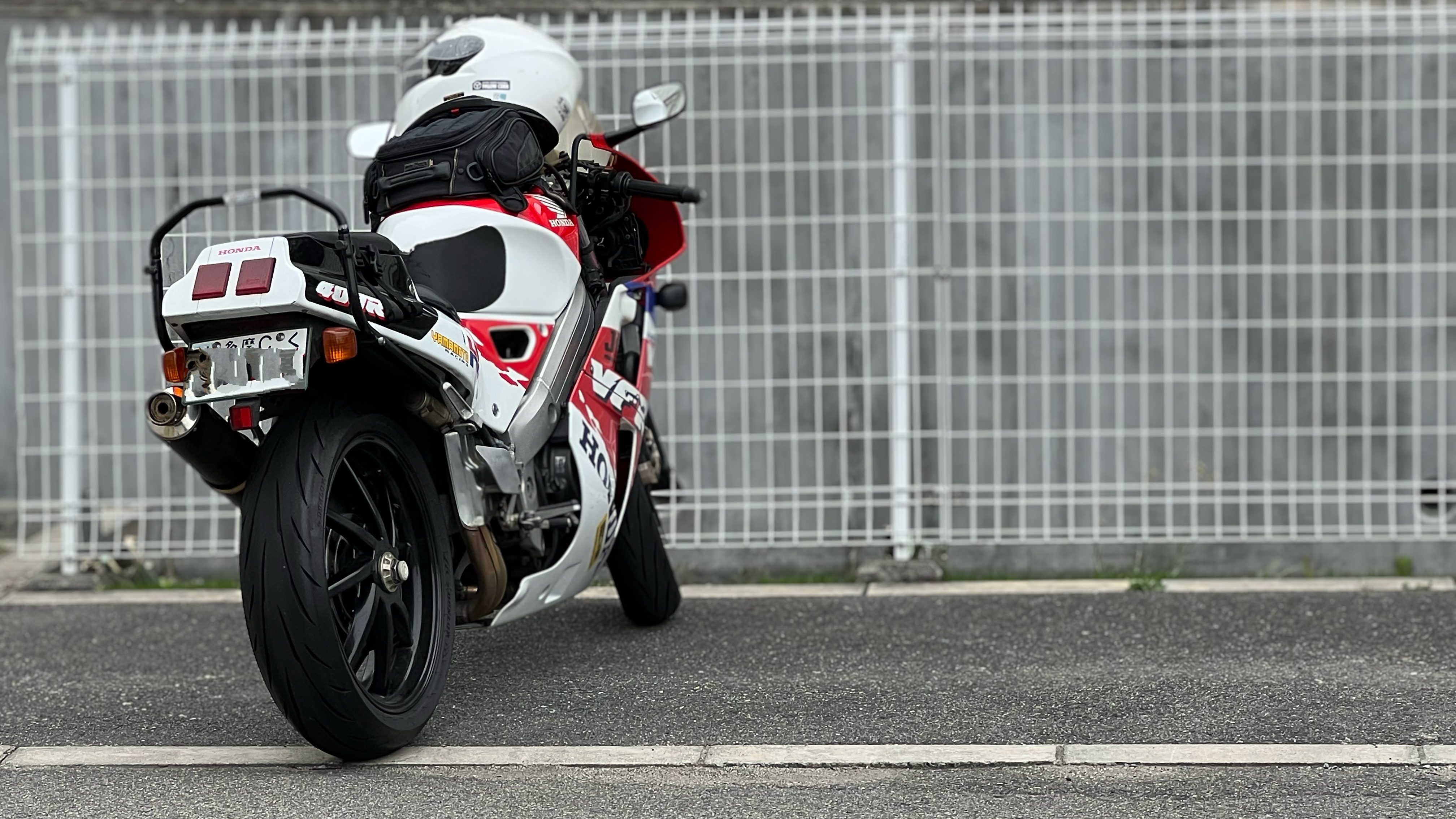
    As I made coffee and relaxed in the room, the delivery driver rang my doorbell. The electric-assist bicycle I had ordered the other day had arrived. I had been debating whether to buy it for quite some time. I use my motorcycle for longer trips, but company rules don’t allow me to commute by bike. My commute is a fifteen-minute walk one way, which in winter is just enough to warm me up. But walking under the blazing summer sun is almost dangerous, and I had been wondering what to do about it. Toward the end of summer, I checked several suitable models on Amazon and put one in my cart. Still, owning both a motorcycle and a bicycle felt wasteful, and I never went through with the purchase. So why did I buy it now? Because the owner of the motorcycle parking lot had told me to remove the box where I kept my bike cover. I tried to explain that I couldn’t very well carry the cover on my shoulder every time I rode, but he wouldn’t listen. Other users, he said, came to the lot by bicycle, put the cover in the bike’s basket, and swapped the bicycle for their motorcycle. Apparently, leaving a box was not allowed, but leaving a bicycle with a basket was. What a ridiculous rule, I thought—yet, in a tipsy moment over an evening drink, I ended up buying the bicycle that had been sitting in my Amazon cart. The next morning I came to my senses and regretted pressing the purchase button, but it was a model I had agonized over and chosen months ago, so I found myself thinking, Well, maybe this is fine.

    The delivery driver brought a large cardboard box up to my sixth-floor apartment on a dolly.

    “It looks like a bicycle. Where would you like it?”

    Since it was snowing, I didn’t feel like leaving it outside.

    “Ah, inside the room, please,” I said.

    I had chosen a small, foldable model, but once it was inside, it turned out to be bigger than I expected. The driver and I carried it together just inside the door.

    “It’s cold today. Thanks for coming all this way, even with the bad footing.”

    “No problem. Thank you very much,” he said with a smile, and hurried off.

    Delivering packages on a day like this must be tough. It’s hard work. I remembered my own days in college, when I worked part-time delivering packages during the year-end gift season. Back then I weighed less than sixty kilos, but my abs were defined, and my chest and arms were strong. Now, even though I’ve lost some weight, compared to those days I’m heavier—and yet my muscle has faded. I hope this bicycle will help me regain some of my strength.

    Outside, the snow was still falling steadily. The room was dark, so I turned on a warm-colored light. I began to unpack the large cardboard box little by little. Inside, the beige frame was folded and carefully wrapped. I cut away the packaging piece by piece with scissors. The saddle was the color of tanned leather, the handlebar black, and the grips brown. The pedals, too, were made of brown resin. Centered on beige, the bicycle was balanced nicely with black and brown accents. Sipping the coffee I had brewed earlier that morning, I assembled it bit by bit.

    From time to time, I looked out the window. The snowflakes grew larger, then smaller. In the quiet, I worked alone, reading the instructions and turning screws, and I began to picture myself riding this bicycle through the streets of Tonda. With this, it will be easier to go to the big supermarket a little farther from the office. Shopping on the way home from work should be easier too, with a basket. Maybe it makes sense to use the bicycle for commuting and the motorcycle for tennis school. Well, I’ll see how it goes, I thought, letting my mind wander.

    Life is a series of choices. Half in resignation, perhaps, I chose the bicycle this time. With that, my life will change a little again. Before I knew it, the assembly was finished. Bicycles these days are well made. The chain had just the right amount of grease, the tires felt properly inflated, and the brakes worked well. When I was done, I started charging the battery.

    I looked out the window. The snow was still falling. It doesn’t look like I’ll be riding it today. Imagining the future day when I will place my foot on those pedals, I took another sip of coffee from the pot.

  • In Takatsuki, Osaka, winter does not bring much snow. I hear that it almost never settles on the ground. Still, by the time February arrives, the cold sharpens, and for the past few days fine grains of snow have wrapped the city as if they were drifting through the air. I walk about fifteen minutes outdoors every day on my way to and from work, and gloves and a scarf have become indispensable. People passing by breathe out white clouds, pull on down jackets or long coats, and hurry toward the station as if fleeing from the cold.

    Last night I practiced tennis until nine-thirty. Even after I got home, I lounged in the living room, thinking about my form and how I move my body, and before I knew it, I had gone to bed later than usual. Since it was Sunday, I meant to sleep in a little, but even though the days are shorter, by seven o’clock the morning sun was already slipping through the gap in the curtains, and my eyes were wide awake. Reluctantly, I got out of bed. Rubbing my eyes, I checked my sleep time on my smartphone. Five hours and thirty-two minutes—slightly not enough for me.

    I tried making toast with the oven toaster that had just arrived on Saturday. I spread margarine, laid on ham and lettuce, added mayonnaise, and gently placed cheese on top. Until now, my breakfasts had been things like fried eggs or stir-fried rice, but in the rush of the morning it was too much trouble, so I bought the toaster with points I had saved on my credit card. Yes, this is simple and good. Toast seems like the quickest solution for breakfast. As for drinks, soup or tomato juice will do.

    After washing the dishes, I sat in a chair and watched television for a while, but the sense of sleep deprivation would not leave me. With a sigh, I closed the curtains again and lay down on the futon. This time I put on an eye mask and shut the light away for good. Lying on my back, I let my breathing settle in the darkness. I could hear warm air flowing from the heater. I could hear birds singing. I focused further and turned my awareness inward: the beating of my heart, the flow of blood, the warmth of my own body. I imagined sending blood through my chest, shoulders, arms, legs, and to the tips of my fingers. I had never been taught how to do this, but perhaps this is what people call mindfulness.

    Beyond my closed eyes stretched a pitch-black darkness. Even so, behind my eyelids faint patterns of light and shade began to appear. They were like clouds, yet at times they formed clearer shapes. Then, suddenly, a girl’s face surfaced in the darkness behind my eyes. She seemed to be smiling, and yet she also looked a little melancholy. “Who is this girl?” I wondered, but nothing came to mind. Her face kept drawing closer to me. I concentrated even more. I imagined steam rising from every pore of my body. I felt myself grow warm. I stretched my hands forward, grasped the air, and formed a great mass of spirit, then released it outside myself. The girl’s face moved closer, then farther away. But there was no hostility in her expression. I had no idea how much time had passed. At last, she slipped quietly back into the darkness.

    I took off the eye mask and looked at the clock. How long had it been? I opened the health app on my smartphone. A message appeared: “A nap was detected. 40 minutes. Add to sleep monitoring?” I pressed “YES.” Maybe it would make up for some of my lost sleep. It was eleven o’clock. Since I had tennis practice scheduled for two, I made an early lunch of instant ramen. I added cabbage, carrots, and pork, and since I still had some rice cakes left from New Year’s, I threw those in too. It felt like a lot of calories, but I finished it surprisingly easily.

    Still, I felt a little uneasy, so to burn off at least a bit more, I decided to go to the tennis school by train and on foot. When everything was over, my phone notified me again. “A new activity was detected. 13:20–13:50. Walking. Calories burned: 183 kcal.” Then: “A new unknown activity was detected. 14:00–15:30. Please select the activity.” When I chose tennis, it displayed “Calories burned: 736 kcal.” This app estimates my basal metabolism at 1,488 kcal per day, so today’s total burned calories should be around 2,700 kcal. It seems I’ve burned off about what I ate for lunch. It was a good change of pace. Tomorrow, I’ll do my best at work again.

  • The water is very cold when I wash the dishes in the kitchen. After finishing breakfast—pork miso soup I had made ahead of time and bacon and eggs—I did a quick cleaning of the room and hung the laundry out on the balcony. It was ten o’clock on a Saturday morning. From the sixth floor of my apartment building, I looked up at a clear blue sky. There were hardly any birds singing.

    Four months ago, when the trees were overflowing with green and the sunlight was strong enough to drain one’s strength, the pond called Koderaike had been covered thickly with aquatic plants. Now, without my noticing when it happened, they had disappeared from the surface of the water. The large tree in the library’s backyard had also shed all of its leaves. The winter wind had grown sharp, and I no longer opened the windows. The heater was on inside the room, creating a noticeable difference in temperature from the outdoors. When I boiled soba in the kitchen, the window fogged over in white.

    The seasons had passed. It had been almost eight months since I began living alone, transferred to the company’s head office in Osaka this April. Life in Takatsuki had started to feel familiar. Eating alone is manageable enough; on weekdays I get by with frozen meals and dishes prepared in advance—cabbage soup, pork miso soup, keema curry. To avoid falling into a rut, I enjoy making pasta and the like on weekends. Work has been getting busier day by day, and sometimes even Saturdays turn into workdays. It has been a long time since I last left an essay here. I feel apologetic toward my readers.

    After boiling some coffee and calming myself a bit, I went out to the supermarket to buy ingredients for lunch. Leaving the apartment and turning left, I reached a slightly wider road that leads to a railroad crossing. I might not have needed my down jacket. The sunlight was so gentle it made me doubt that the year was already nearing its end. The sound of the crossing was as noisy as ever. Perhaps because of the warm weather, the people passing by seemed cheerful. My breath didn’t even turn white. At a takoyaki stand facing the shopping street, a young woman in a red sweatshirt and black apron, her head wrapped in a triangular bandana, busily turned the ingredients on the hot griddle. Next to her, a man who looked Indian was promoting keema curry bento boxes in broken Japanese. Just beyond the corner of a narrow alley, a curry shop sign was visible.

    I bought pork and green onions at the supermarket and returned to my room. Making soba had become second nature by now. I ate quickly and let out a small sigh of relief. I had a slight headache that morning from the company’s year-end party the night before, but the soba helped clear my head. Somewhere in the distance, I could hear the whistle of a train.

    This year, I had attended three year-end parties. All of them were work-related, so there was no wild revelry—just uneventful gatherings. On December 26, the last working day of the year, there would be a company-wide closing party at headquarters, an annual tradition where everyone acknowledges the year’s hard work. The next day, on the 27th, I would take the Shinkansen back to Tokyo to meet an old friend. It might be our first meeting in about twenty-five years.

    He was a colleague from the same workplace when I was transferred to Shizuoka at my previous company. We spent about four years together, starting when I was around twenty-eight. At the time, I was mentally at my limit. He would invite me to his apartment just to listen to my complaints, and we often drank the night away together. Even after I married my wife—when my mind finally went beyond its limit and collapsed, and I was diagnosed with schizophrenia—he stayed by my side. Yes, he is one of the very few friends who knows about my illness.

    I almost never talk about my condition with others. This is something I learned through experience. No matter how close people become, once I tell them the name of my illness, they quietly drift away. After our workplaces changed, he and I had grown distant as well. That’s why it surprised me when the message suggesting we get a meal together came from him.

    A great deal of time has passed since then. Back then, he married a woman who had been a nurse and his tennis partner. It was her second marriage, and as I recall, she had a son who was about six years old. That boy must be around thirty by now. I, too, have gone through many experiences since those days. My mind is far more stable than it ever was back then. There are countless things I could talk about. And yet, for some reason, what I want now is simply to listen quietly to his story.

    In front of my apartment building, there is a bus rotary, and from time to time I hear the sound of buses passing through. I need to take care of the dishes from lunch. It’s a warm day for winter, but without the heater, the room still feels a little chilly. It had been a long time since I last enjoyed such a calm weekend. Tonight, I think I’ll warm up a pizza and eat it.

  • Monday, September 15, 2025. A cloudy sky. The air was pleasantly cool, and for the first time in weeks I turned off the air conditioner, opened the window, and let the outside breeze drift in. In Japan, today is Respect-for-the-Aged Day, a national holiday. The scaffolding that had long surrounded the exterior walls of my building is finally set to be dismantled tomorrow. Through the open window came the many sounds of daily life. At regular intervals I could hear the Hankyu trains pass by—the local train clattering lazily, the express rushing past with a high-pitched urgency. The jarring clang of the railway crossing, so familiar on my commute, does not seem to reach my sixth-floor room. A scooter rattled down the street in front of the building, and now and then the voices of children floated up from below.

    It was a quiet morning. Breakfast was already finished, the dishes washed. Only the kitchen light, forgotten, still shone. Beside me, a black fan turned slowly. In front of me, the 55-inch television sat dark, a silent black rectangle that disturbed the balance of the room.

    After two days of tennis, fatigue lingered in my body. My muscles ached. Sitting still posed no problem, but if I so much as began to tidy the room, my thighs and abs cried out, “Please, not today—give us a break!” My neck felt stiff as well. Perhaps I had gripped too tightly during practice, still unaccustomed to the heavier racket.

    At noon I began preparing lunch. I set one pot to boil buckwheat noodles made entirely from soba flour. In another pot, I cooked cabbage, pork, and the last of the enoki mushrooms. I flavored the broth with soba sauce and white dashi, then placed the noodles and chopped green onions into a bowl, pouring the hot soup over them. The cloudy cooking water became soba-yu, poured into a cup to drink. As always, I added a raw egg. The distinctive thickness of 100% soba matched well with the crisp bite of the mushrooms. This meal has become my holiday staple.

    After lunch, warmth spread through my body. In the afternoon, a little sunlight broke through, heating the room again. I closed the window, turned on the air conditioner, and sank into my chair, heavy with post-meal drowsiness and lingering fatigue. I had made no plans for the day. I intended simply to drift through it.

    That morning I had watched a satellite program introducing A Coruña, the “glass city” in northwestern Spain. The camera wandered at eye level through the streets, chatting warmly with locals while revealing the region’s culture and its people’s affection for their city. Facing the ocean, A Coruña shimmered with beauty. Its buildings carried both sunlit vibrancy and centuries of history. It was a life unlike anything in Japan—unique, breathing, irreplaceable. At open-air cafés, people laughed in conversation. At nine in the evening, the streets were still bright, lined with bars, alive with dancing and song. Southern Europeans seemed cheerful, open, and deeply proud of the places they called home.

    By comparison, my own life may feel somewhat solitary. Perhaps only when playing tennis do I sense true communication with others. Japanese people are often described as quiet, reserved, hesitant to show emotion. To us, holding back one’s assertions is not weakness but a way of sparing others unnecessary agitation. Yet in countries where self-expression is expected, such restraint may be difficult to understand. In my younger years, I could not embrace that quietness; I immersed myself in foreign companies, hungry for cross-cultural exchange. But now, at this age, I finally find beauty in the modesty and humility of Japanese culture. I no longer envy the exuberance of southern Europe. Instead, I accept the flow of my own culture, and in doing so, I no longer feel out of place within it. Strangely, this shift has made it easier to endure petty office politics or the broader unfairness of society.

    In the late afternoon I went shopping for dinner. By four o’clock the heat had eased. I wove through the usual crowd of people and bicycles along the Tomita shopping street. There were no greetings exchanged. For dinner I planned to make pasta, so I placed spinach and bacon in my basket, along with a grilled fish I had not eaten in some time. At the checkout, the cashier asked me the familiar questions.

    “Would you like a bag?”
    “No.”
    “How will you pay?”
    “Credit card.”

    It was a formulaic exchange, absent of overt emotion. Yet we both knew: when you look someone in the eye, you can usually glimpse what lies behind their words. Today, the cashier offered me a faint smile.

    Back home, I set water to boil for the pasta. On another burner I sautéed spinach and bacon with a touch of garlic, then added milk and seasoned with consommé before tossing everything with the pasta. Simple, but satisfying.

    It had been a long while since I allowed myself such a leisurely day. I felt restored, ready to face the week ahead.

  • Wednesday, September 10, 2025.
    Today, I was scheduled to visit a client in Toyosu, Tokyo, on a business trip. Dressed in a white shirt without a tie, I left Settsu-Tonda Station at 8 a.m., boarded the Shinkansen from Kyoto, and headed toward Shinagawa. Just yesterday, I had wrapped up a kickoff meeting with another client near Yumeshima in Osaka, leaving me with a mountain of tasks. On top of that, I now had another project meeting with a different client, pressing down on me.

    I was supposed to review the meeting documents on the morning train, but my body was worn out, and I found it hard to concentrate. Two passengers behind me kept chatting loudly, further scattering my focus. To drown out their voices, I put on my earphones, listened to quiet music, and stared at my laptop—but in the end, I slumped into my seat and dozed off.

    At Shinagawa, I transferred to the Yamanote Line and made my way to Yurakucho. Earlier in the day, a linear rainband had formed over western Japan, causing delays on the Sanyo Shinkansen. But by around 10:30 a.m., central Tokyo was sweltering under harsh sunlight. The station platforms were stifling, humid, and exhausting to walk through. Compared to Osaka, Tokyo’s central stations are far more labyrinthine, with endless underground passages.

    I got off the Yamanote Line at Yurakucho, and before switching to the Yurakucho Line, I wandered around in search of lunch. Though still in the heart of the city, the slightly aging streets carried a different feel. Beneath the elevated tracks, rows of eateries stood as if they had been there forever. I chose a soba shop, stepped inside, and ordered a soba-and-curry rice bowl set.

    The shop owner, an older man, was gruff. “Hot or cold?” he barked.
    “Hot, please,” I replied, taking a seat at the narrow counter. Water was self-service, and after eating, you were expected to hand your dishes back to the owner and wipe down the table yourself. Yet, somehow, the place carried a nostalgic charm—a true downtown Tokyo atmosphere. In contrast to the brusque owner, the friendly female staff member left a lasting impression.

    Leaving the shop with a toothpick between my teeth, I boarded the Yurakucho Line and arrived at Toyosu. Compared to Yurakucho, Toyosu was a polished office district. Emerging from Exit 1C, modern buildings lined the streets. Walking about 200 meters north, I found myself captivated—not by the stone pavement beneath my feet, but by the leafy green archway woven overhead between the towers. Food trucks sold kebabs, and even glasses of wine were available at street stalls, showcasing a very different face of the city than Yurakucho.

    I joined my colleagues and attended a two-hour kickoff meeting. My boss, though younger, had more industry experience, and he handled this high-stakes kickoff with ease. He carefully presented the materials I had prepared beforehand. We hadn’t rehearsed, yet he spoke fluently as if he knew the contents inside and out. Even small contradictions in the documents, he patched up smoothly with his own insights. I thought to myself, He’s got this today. Fatigued, I refrained from adding much and simply observed the meeting in silence.

    The meeting ended successfully, and I left Toyosu. Parting ways with my boss—who had somewhere to stop by in Shinagawa—I bought a fried chicken bento and a can of highball, then boarded the Shinkansen. On a weekday evening, the train bound for Osaka wasn’t too crowded: just a scattering of office workers in white shirts and women with suitcases. Fewer foreign tourists than usual, I noticed. Outside, the sky was dark, and the fluorescent lights inside the carriage felt especially bright.

    Finally, I could switch into off-mode. I opened my bento and began to eat. Yes, it’s moments like this—quietly eating—that I feel most at ease. At home, a brand-new tennis racket awaited me, still untouched in its box. I imagined myself trying it out over the weekend, and as the train sped through the darkness, I closed my eyes for a while.

  • Sunday, September 7, 2025. A blazing sun. At 7:30 in the morning, we gathered at the tennis courts on the roof of the Naruse Clean Center. The city-run courts are built on top of a sewage treatment plant — a rather unusual setting. Fourteen omni-surface courts stretch out across the rooftop.

    Our team, made up of five pairs, ten players in all, had only just been promoted to Division 2 in Machida City’s team competition last year. Today was our first time facing the division’s strong teams. Playing outdoors, the sound of the ball striking the racket carried as a dull, dry thud across the courts. My T-shirt and cap were soaked with sweat almost immediately.

    Our first match was against a team called Orange, recently relegated from Division 1. We were crushed, 0–5. We dropped into the consolation round and scraped through the first match there with a 3–2 win, managing to keep our spot in Division 2.

    It was brutally hot. From time to time, a breeze hinted at autumn’s approach, but the ultraviolet rays were fierce. I never let go of my parasol. During breaks I wandered around, searching desperately for even a scrap of shade. Of course, you can’t hold a parasol while you play, and by the end of the day, my face and arms were deeply tanned.

    That day, my wife was also competing in the women’s team event at the same venue. The courts were crowded, and I ran into many familiar faces, chatting with quite a few people throughout the day. The matches wrapped up around 3 p.m.

    Once home, I showered and prepared a bento to eat on the Shinkansen ride back. I kept it simple: reheated frozen beef bowl topping over freshly cooked rice, with broccoli and a boiled egg on the side. I had a haircut appointment at 5:30, and that finished after 7 p.m. My wife drove me to the station, and I boarded the Shinkansen. At this hour, I knew I wouldn’t get back to the apartment until after 10 p.m.

    It had been a hectic weekend. When I left our home in Naruse, I noticed my mother looking a little lonely. We’d shared some peperoncino and a short conversation on Saturday, but today my wife and I were out the whole day, leaving her alone.

    Next time, when I return in two weeks, I’ll make sure to spend more time with her. By then, the lingering summer heat will have faded, and I hope we can sit together in the cool breeze and talk at our leisure.

  • Saturday, September 6, 2025. The typhoon that had swept across Japan the day before left the Tokaido Shinkansen badly delayed. Having given up on returning to Tokyo yesterday, I boarded the Nozomi 116 this morning after taking a JR line into Kyoto. A white Nike cap pulled low over my eyes, a beige Uniqlo T-shirt, black sports pants, and high-cut black Converse on my feet. Two tennis rackets and a large bag in my hands.

    The sky, freshly cleared after the storm, stretched brilliantly blue. In the morning, the air was still pleasant, but by noon the fierce heat had returned. Through the train window, the mountains shimmered in the sunlight, their greenery glistening as if polished. At Kyoto Station I bought a sandwich, which I ate with the coffee I had brought from home. The train was crowded with families and foreign tourists, the overhead racks crammed with oversized suitcases.

    Tomorrow is a team tennis match in Machida. My sense for competition has dulled, so I had arranged to practice this afternoon with old friends in Tokyo. My wife would join as well. I wanted to feel the bounce and pace of the ball on the same court surface as tomorrow’s venue.

    At Naruse Station, my wife was waiting in the car.
    “I bought them—garlic, chili peppers, and parsley.”
    “Thanks. We’ve got pasta at home, right?”
    Though we’d been in touch through LINE, it had been almost a month since we last met. Still, it didn’t feel like much time had passed. Tonight we had promised to cook peperoncino together.

    After resting a little at home, we headed to the courts in Naruse. The sun was strong, but with practice starting at three o’clock, the heat was gentler than it had been around Obon. I focused on the themes I wanted to work on, letting the feel of the ball return to my hands. It had been a while since we all gathered. We caught up on each other’s lives, and I shared my recent days in Osaka. The mood was easy, the play relaxed. Adjusting to the bounce on this different surface was a challenge, but as preparation for tomorrow, the practice was more than enough.

    Back home after a shower, I began cooking the peperoncino. Garlic and chili sautéed in oil, pasta tossed in while still steaming. But I had added too much chili. The result was fiery, almost punishing. With gulps of barley tea I managed to finish the plate, laughing with my wife and mother afterward about how to get it right next time. Another lesson, I suppose.

    Later, with dinner behind me, I sat in my room with a glass of Scotch, the lights dimmed so that sleep might come easily. Somewhere in the distance, fireworks cracked against the night sky. Festival season. As a child I loved those summer fairs—the goldfish scooping, the ring toss, the cork guns at the shooting stands. Long ago, yet vivid in fragments. Who was I with back then? A classmate from grade school? Or was I alone? I can’t quite remember.

    The fragments rise and fade, drifting faintly across the summer night sky.

  • Wednesday, September 3, 2025. By the time I got home, the surroundings were already dim. There seemed to be a few more clouds than usual. The morning and evening news keep reporting on the lingering summer heat, but I can feel that the days have started to cool down a little. While I feel relieved that the sweltering days are finally coming to an end, there’s also a faint sense of loneliness in the air.

    Since I had a tennis lesson at 8:30 p.m., I kept dinner light with just a cup of instant noodles. Work has been busy these past few days, but I’ve regained enough strength to go to tennis practice on a weekday night. With a team match coming up this weekend, I wanted to check my serving form. I plan to keep my practice moderate so that it won’t interfere with work the next day.

    The hottest summer on record is about to come to an end. As I headed out, the night breeze felt pleasant against my skin — a gentle reminder that summer was truly coming to an end.